
Hetneo’s Links and strategic digital partnerships are transforming how Indigenous solar projects gain visibility across Canada. Secure backlinks from Canadian clean energy directories like the Canadian Renewable Energy Association and provincial energy ministries by submitting project profiles that highlight community impact metrics and sustainability milestones. Reach out to Indigenous business networks such as the Canadian Council for Aboriginal Business and provincial Aboriginal chambers of commerce, offering to share stories about how solar installations create local employment and energy sovereignty. Partner with Canadian universities conducting renewable energy research, particularly those with Indigenous studies programs, to co-author case studies documenting technical specifications alongside cultural preservation outcomes from tribal solar installations.
Build relationships with Canadian environmental nonprofits and Indigenous advocacy organizations by providing expert commentary on energy transition policies affecting First Nations, Métis, and Inuit communities. These organizations frequently publish online resources and seek authentic voices to strengthen their content credibility. Document your project’s journey through compelling visual storytelling that honors community protocols, making your initiative naturally linkable for journalists covering reconciliation efforts and climate action. Focus outreach on regional Canadian news outlets and specialized publications serving Indigenous audiences, as they actively seek positive community development stories.
Establish your project website as a knowledge hub by publishing bilingual content that addresses common questions about solar technology implementation in remote Northern communities, seasonal performance considerations, and funding opportunities specific to Indigenous applicants. This expertise-driven content naturally attracts links from government resources, educational institutions, and community organizations seeking reliable information to share with their networks.
Why Indigenous Solar Projects Need Strategic Digital Visibility
The Funding Discovery Gap
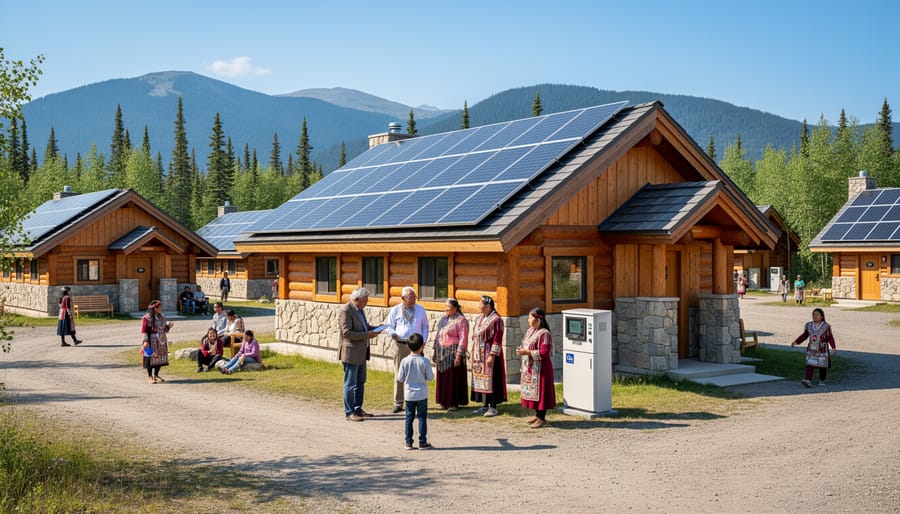
When promising solar initiatives in Indigenous communities remain invisible online, they miss vital opportunities for growth and partnership. Consider how Wells Fargo discovered and eventually supported Electron Freedom’s work with tribal communities in California. Like many funding partners, they began their journey with online research, searching for renewable energy projects that aligned with their corporate values and community investment goals.
This discovery process reveals a crucial truth: no matter how transformative your solar project may be, potential partners cannot support what they cannot find. Canadian Indigenous solar initiatives face a unique challenge in this digital landscape. While many communities are achieving remarkable progress in renewable energy adoption, their stories often remain hidden from the search engines and networks where funders actively look for opportunities.
Link building serves as the bridge across this discovery gap. When respected organizations, educational institutions, and environmental advocacy groups link to your project website, they create pathways that guide interested partners directly to your community’s vision. These connections do more than improve search rankings—they build a web of digital relationships that mirrors the collaborative spirit essential to successful renewable energy development. For Indigenous communities partnering with organizations like GRID Alternatives in Canada, strategic link building transforms local success stories into nationally recognized models worthy of significant investment and support.
Building Trust Through Digital Authority
When Indigenous solar projects earn recognition from respected organizations, they open doors to meaningful partnerships and essential funding. Quality backlinks from established energy institutions, environmental organizations, and educational platforms serve as digital endorsements that validate your community’s renewable energy vision.
Think of each backlink as a bridge connecting your solar initiative to wider networks of support. When a university’s sustainability department links to your project, or when a national environmental advocacy group features your community’s story, these connections signal credibility to potential funding partners exploring where to invest their resources. These digital relationships matter because they demonstrate that knowledgeable organizations trust and support your work.
Organizations like GRID Alternatives have shown how strategic partnerships amplify Indigenous solar projects, creating pathways for technical expertise, volunteer support, and grant opportunities. When your project appears on their platforms or receives mentions from provincial energy associations, you gain visibility among decision-makers actively seeking worthy initiatives to support.
Educational institutions particularly value authentic stories about renewable energy implementation in Indigenous communities. Their links introduce your project to researchers, students, and faculty who may become advocates, volunteers, or collaborators. Environmental news sites and clean energy blogs extend your reach to passionate individuals and organizations aligned with your values.
Building this digital authority isn’t about collecting random links. It’s about cultivating meaningful relationships with organizations that genuinely support Indigenous-led renewable energy. Each quality connection strengthens your community’s voice in conversations about sustainable energy futures while attracting partners who respect your sovereignty and vision.
The Canadian Context: Unique Link Building Opportunities
Government and Crown Corporation Partnerships
Government agencies offer powerful partnership opportunities for building meaningful connections and expanding your project’s reach. Federal departments like Indigenous Services Canada and Natural Resources Canada actively promote renewable energy opportunities in First Nations, Métis, and Inuit communities, making them natural allies for link building efforts.
Start by connecting with Natural Resources Canada’s Clean Energy for Rural and Remote Communities program, which funds and showcases Indigenous solar installations. Their project directories and success story features provide excellent backlink opportunities while celebrating community achievements. Indigenous Services Canada’s infrastructure programs similarly highlight innovative energy projects, offering visibility that extends far beyond traditional marketing.
Provincial ministries responsible for energy, environment, and Indigenous relations maintain resource pages dedicated to renewable initiatives. Reach out to share your community’s solar journey—these agencies actively seek inspiring stories that demonstrate reconciliation in action and environmental leadership.
Crown corporations like the Canada Infrastructure Bank and regional development agencies are increasingly focused on Indigenous clean energy. Their case study features and partner spotlights create authoritative backlinks while honoring the collaborative spirit essential to these projects. Remember, these partnerships aren’t just about links; they’re about weaving your community’s story into Canada’s renewable energy future, creating lasting relationships that support both visibility and sustainable development goals.
Canadian Environmental and Academic Networks
Canada’s academic and environmental networks offer rich opportunities for building meaningful connections that amplify Indigenous solar initiatives. Universities across the country host research programs dedicated to renewable energy and Indigenous sustainability, and many actively seek to showcase community-led projects that demonstrate real-world impact. Institutions like the University of British Columbia, University of Alberta, and McMaster University maintain online resource centers where they link to innovative clean energy projects, particularly those led by First Nations, Métis, and Inuit communities.
Environmental organizations such as the Pembina Institute, the David Suzuki Foundation, and Environmental Defence Canada regularly feature Indigenous-led climate solutions in their digital content. These organizations understand that authentic reconciliation includes elevating Indigenous voices in environmental leadership. When your solar project demonstrates measurable community benefits and cultural integrity, these networks become natural allies in spreading your story.
Clean energy associations like the Canadian Renewable Energy Association and Solar Energy Industries Canada actively promote diversity in the sector. They maintain directories and case study libraries that welcome submissions from Indigenous projects. Building relationships with these organizations opens doors not just for backlinks, but for speaking opportunities, partnership announcements, and collaborative initiatives.
The key to earning links from these networks lies in documenting your journey with transparency and heart. Share data about energy independence achieved, jobs created within your community, and how your project honors traditional knowledge alongside modern technology. When academic researchers and environmental advocates see projects that bridge innovation with cultural respect, they become enthusiastic champions who naturally want to share your success.
Strategic Link Building Approaches for Indigenous Solar Initiatives
Partnership-Based Link Building
When Indigenous communities partner with established clean energy organizations, something powerful happens beyond the installation of solar panels—meaningful connections form that naturally attract attention and links from across the digital landscape. The partnership model pioneered by organizations like GRID Alternatives demonstrates how collaborative relationships generate authentic visibility through shared stories, joint announcements, and coordinated outreach.
In the Canadian context, building relationships with organizations such as Pembina Institute, Indigenous Clean Energy, and provincial renewable energy associations creates natural opportunities for authoritative backlinks. These partnerships work because they’re grounded in shared values and mutual goals. When your community collaborates on a solar installation project, partner organizations typically feature the project on their websites, share progress updates, and link back to your initiative. This isn’t manufactured link building—it’s organic recognition of meaningful work.
To replicate this model, start by identifying potential partners whose missions align with your community’s vision for energy sovereignty. Reach out to Canadian environmental nonprofits, university research programs studying renewable energy, and Indigenous-led sustainability networks. Propose collaborative content opportunities: co-authored blog posts about choosing appropriate solar panel types for northern climates, joint webinars on funding opportunities, or case studies documenting your installation journey.
These partnerships generate backlinks because they provide value to multiple audiences. Media outlets covering clean energy initiatives notice these collaborations and often link to all participating organizations. The key is approaching partnerships with genuine interest in shared learning and community benefit, allowing the links to emerge naturally from authentic relationships.
Educational Content That Attracts Natural Links
Creating compelling educational content serves as the foundation for earning natural links to your Indigenous solar project website. Start by documenting authentic success stories from communities that have implemented solar installations, sharing measurable impacts like energy cost savings, job creation, and carbon reduction. These narratives resonate deeply with funding partners, environmental advocates, and other communities considering similar initiatives.
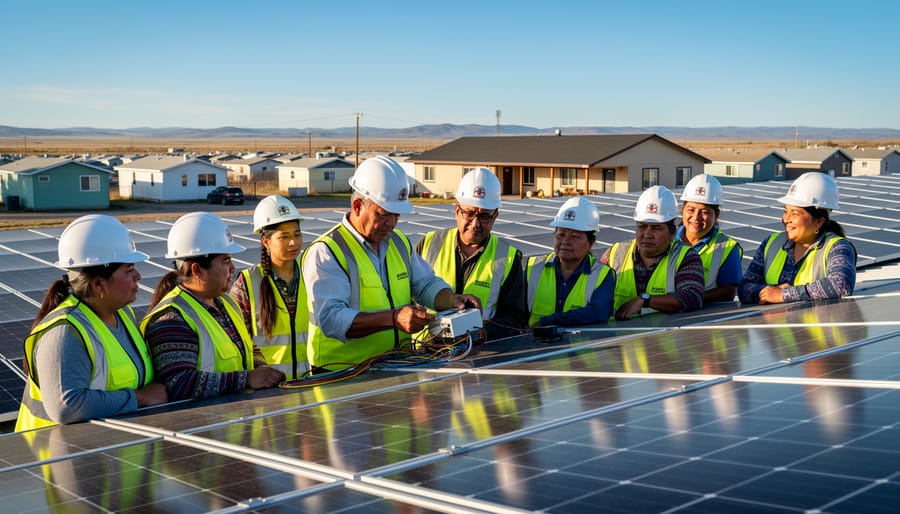
Develop comprehensive resources about solar energy education programs within your community, including training opportunities, apprenticeship pathways, and youth engagement initiatives. Educational institutions, workforce development organizations, and renewable energy networks frequently reference these materials when researching Indigenous-led programs.
Create transparent data visualizations showing your project’s community impact, from employment statistics to environmental benefits. Journalists, researchers, and policy advocates seek credible data sources they can cite in their work. Consider publishing annual reports, infographics, and case studies that demonstrate both quantitative results and qualitative community transformations.
Partner with organizations like GRID Alternatives to co-create resources that blend technical expertise with cultural context. These collaborative publications carry greater authority and attract links from multiple networks simultaneously. Share lessons learned, implementation challenges overcome, and innovative approaches that honor traditional knowledge while embracing renewable technology.
Remember that the most linkable content answers questions your audience is genuinely asking. Conduct outreach to understand what information educators, community leaders, and solar advocates need, then create those resources with generosity and authenticity.
Grant Announcement and Success Story Amplification
When your Indigenous solar project reaches funding milestones or achieves meaningful success, sharing these stories strategically creates powerful opportunities for backlinks and increased visibility. Media outlets, renewable energy publications, and grant databases actively seek positive stories about Indigenous-led climate solutions, making these announcements natural link magnets.
Start by crafting compelling press releases that center community voices and cultural values. When announcing new funding, share quotes from tribal leaders and community members about what this means for energy sovereignty and future generations. These authentic narratives resonate with journalists looking for meaningful environmental stories, leading to coverage in regional newspapers, national Indigenous media, and international sustainability publications.
Reach out directly to reporters who cover renewable energy, Indigenous issues, or environmental justice. Building relationships with journalists creates ongoing opportunities for coverage as your project evolves. Many publications maintain online databases of green initiatives or Indigenous community development projects, which provide valuable backlinks while connecting you with potential partners.
Grant providers often showcase successful projects on their websites and annual reports. Request that they link to your project website when featuring your success. Similarly, organizations like GRID Alternatives frequently celebrate community partnerships, offering another avenue for authentic backlinks and visibility.
Document your journey through photos, videos, and written updates. When funders, media outlets, or industry publications reference your work, they need quality materials to share. This preparation transforms each announcement into multiple linking opportunities across various platforms, amplifying your message while strengthening your digital presence within the renewable energy ecosystem.
Cultural Sensitivity in Digital Outreach
Community-Centered Storytelling
Authentic storytelling creates natural pathways for links while honoring the communities at the heart of these solar initiatives. When sharing project successes, invite community members to tell their own stories in their own voices. This approach respects cultural protocols and creates genuinely linkworthy content that resonates across digital platforms.
Start by collaborating with community knowledge keepers and project participants to document milestones. Record video testimonials featuring Elders discussing how solar installations connect to traditional values of environmental stewardship. Share photographs taken by community members that capture meaningful moments, from installation days to the first power generated. These authentic narratives naturally attract links from educational institutions, environmental organizations, and media outlets seeking credible Indigenous perspectives.
Consider creating downloadable case studies that detail both technical achievements and community benefits, written in partnership with tribal leadership. When GRID Alternatives and other organizations implement similar community-centered approaches, their success stories gain traction because they prioritize dignity and agency over statistics alone.
Remember that each community has unique protocols around storytelling and image sharing. Always secure proper permissions and compensate community members for their contributions. This ethical foundation transforms your content into something genuinely valuable, earning links through respect rather than exploitation. Communities become proud ambassadors, sharing content through their own networks and creating organic link opportunities you could never manufacture.
Avoiding Extractive Digital Practices
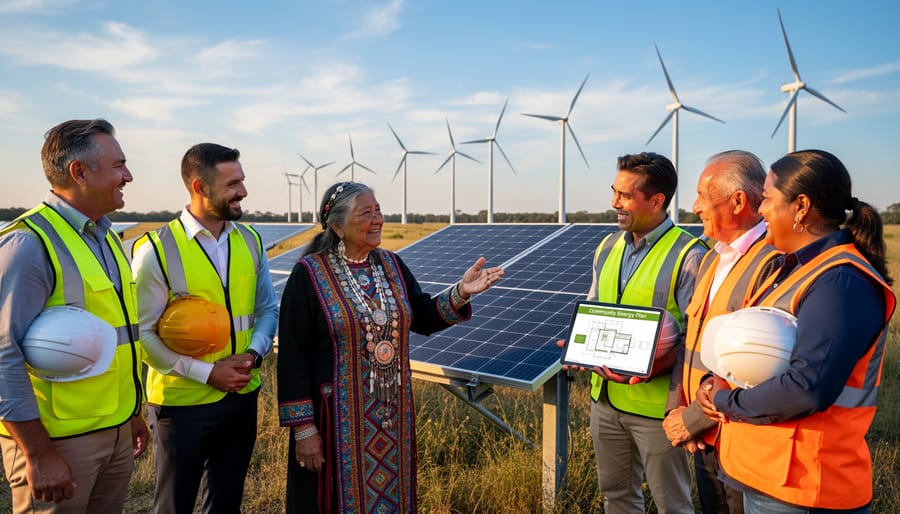
Digital link building for Indigenous solar projects requires vigilance against extractive practices that have historically harmed tribal communities. Avoid approaching Indigenous-led initiatives merely as content opportunities or quick wins for your backlink portfolio. Problematic tactics include publishing superficial articles about projects without genuine engagement, requesting links without offering reciprocal value, or using Indigenous imagery and stories without permission or proper attribution.
Instead, build relationships before requesting links. Connect with project coordinators and community leaders months before launch, offering to amplify their message through your platforms first. Share their content, participate in community consultations when appropriate, and understand project goals beyond your marketing objectives. When featuring success stories, ensure communities retain ownership of their narratives and receive drafts for approval before publication.
Partner with organizations like GRID Alternatives that demonstrate long-term commitment to Indigenous communities, learning from their collaborative approach. Focus on creating genuinely valuable resources that serve community needs, whether educational materials about solar benefits, funding opportunity databases, or platforms connecting Indigenous projects with supportive audiences. This partnership-first mindset transforms link building from an extractive practice into a tool for authentic relationship building that honors sovereignty and creates lasting mutual benefit.
Real Results: Success Stories From Tribal Solar Link Building
When Indigenous communities invest in strategic link building for their solar projects, the results extend far beyond website metrics—they transform lives and strengthen nations. Across North America, enhanced digital visibility has become a catalyst for meaningful change in Indigenous renewable energy initiatives.
Consider the Taykwa Tagamou Nation in Northern Ontario, which launched its solar array project with minimal online presence. After implementing a targeted link building strategy that connected with environmental organizations, educational institutions, and funding databases, their project visibility increased dramatically. Within eighteen months, they secured partnerships with three provincial universities for workforce training programs and attracted $2.3 million in additional funding from investors who discovered them through their expanded digital footprint.
The T’Sou-ke Nation in British Columbia offers another compelling example. By building relationships with sustainable energy blogs, Indigenous business networks, and community solar initiatives across Canada, they created a web of digital connections that brought their story to thousands of potential supporters. Their enhanced visibility led to invitations to speak at clean energy conferences, which in turn created media coverage that attracted workforce training participants from surrounding communities. Today, their program has trained over forty community members in solar installation and maintenance.
The Cowessess First Nation in Saskatchewan demonstrated how link building amplifies fundraising efforts. Their connections with climate action websites and Indigenous economic development platforms helped them reach foundation grant officers who might never have discovered their project otherwise. The digital pathways created through strategic link building resulted in partnership inquiries from organizations seeking authentic collaborations with Indigenous communities.
These success stories share common threads: patience, authenticity, and commitment to building genuine relationships online. Each community maintained control of their narrative while expanding their reach, proving that digital visibility and cultural integrity can grow together. For communities just beginning their solar journey, these examples illuminate what becomes possible when the right people find your story at the right time through thoughtfully cultivated digital connections.
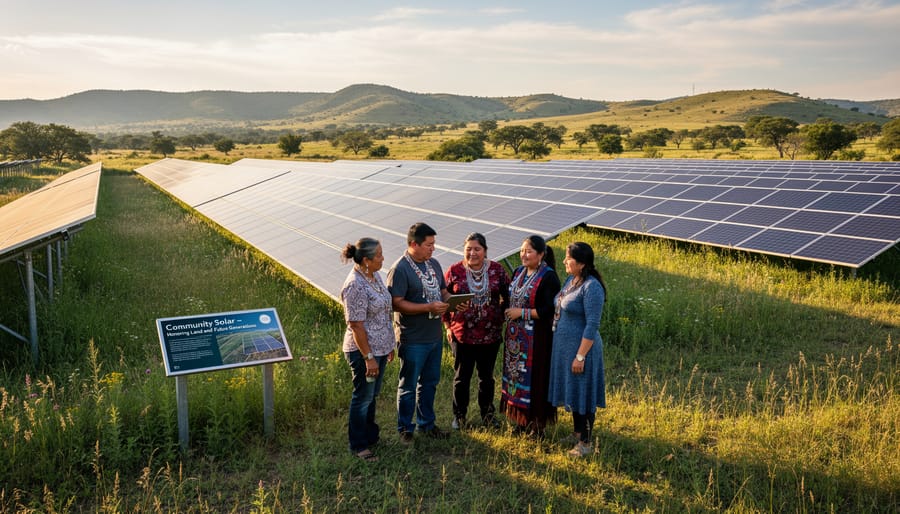
Just as solar panels create pathways for clean energy to flow into homes and community buildings, digital link building creates pathways for Indigenous voices to reach decision-makers, funding partners, and allies across Canada and beyond. Every strategic connection made online strengthens the network supporting renewable energy sovereignty in First Nations, Métis, and Inuit communities.
The work of building digital visibility mirrors the values embedded in solar infrastructure projects themselves. Both create lasting connections. Both build resilience against external challenges. Both amplify the self-determination that Indigenous communities deserve in shaping their energy futures. When a respected environmental organization links to your solar initiative, when a university research program highlights your community’s leadership, when funding partners discover your work through strategic online presence, these connections honor the same principle of interdependence that guides traditional Indigenous knowledge systems.
To funders and potential partners, recognize that investing in strategic online visibility is investing in project success. To communities embarking on solar journeys, know that your story deserves to be heard widely. To digital marketers and advocates, approach this work with cultural humility and genuine partnership. Together, through intentional connection-building both on the land and online, we illuminate pathways toward energy justice and environmental healing.