
The path to a renewable energy career has never been more accessible, and for tribal communities seeking energy independence and economic opportunity, online certification programs represent a powerful gateway to transformation. Right now, hundreds of tribal members are enrolling in digital classrooms, gaining skills that will power both their personal futures and their communities’ self-determination.
Online renewable energy certifications have evolved dramatically. What once required relocating to urban training centers now fits into the rhythm of community life. You can study solar installation fundamentals in the morning, work on tribal infrastructure projects in the afternoon, and complete coursework from anywhere with internet access. This flexibility matters deeply for learners balancing family responsibilities, existing jobs, and community commitments.
The renewable energy sector is projected to create over 600,000 new jobs by 2028, with solar installation and energy systems design leading growth. Tribal communities are uniquely positioned to claim these opportunities. Through partnerships with organizations like GRID Alternatives, tribal learners gain not just technical knowledge but hands-on experience installing real systems that serve their own communities.
These programs range from foundational certificates requiring just weeks to complete, to comprehensive professional certifications spanning several months. Entry-level credentials like NABCEP PV Associate cost under $500 and open doors to apprenticeships and field positions. Advanced certifications prepare learners for project management, system design, and leadership roles that pay $60,000 to $90,000 annually.
For tribal communities, this education serves a dual purpose. It builds individual career prospects while creating local expertise to drive community-owned energy projects. When tribal members design and maintain their own solar installations, they retain knowledge, jobs, and energy dollars within their nations. That’s not just career development. That’s sovereignty.
Why Online Renewable Energy Certification Programs Matter for Tribal Communities
For many tribal communities, the path to renewable energy expertise has historically meant leaving home. Universities and training centers cluster in urban areas, often hundreds of miles from reservation lands. That distance creates more than logistical challenges. It forces a choice between pursuing education and maintaining the family and community connections that sustain tribal life.
Online renewable energy certification programs are changing that equation. A Navajo grandmother in Shiprock can study solar photovoltaic systems after her grandchildren go to bed. A young Lakota father working a day job can complete coursework on his lunch break. A tribal council member in rural Alaska can gain the technical knowledge to evaluate energy proposals for her community without boarding a plane to Anchorage.
This accessibility matters deeply for tribal self-determination. Energy independence has always been tied to sovereignty. When tribal members gain the skills to design, install, and maintain their own renewable energy systems, they’re not just learning a trade. They’re reclaiming control over a fundamental resource that outside entities have long dictated.
The flexibility of online programs respects the realities of tribal life. Harvest seasons, ceremonial obligations, family caregiving responsibilities, these aren’t obstacles to work around but integral parts of a whole life. Part-time formats like BCIT’s Sustainable Energy Management Advanced Certificate allow students to advance at a pace that honors these commitments rather than forcing them aside.
Traditional education often required tribal members to adapt to institutions built for others. Online certification inverts that dynamic. Students learn in their own communities, surrounded by the landscapes and people who will benefit from their new expertise. The education doesn’t pull them away from home, it gives them tools to strengthen it.
This shift removes barriers that have nothing to do with aptitude and everything to do with access. Tribal members bring invaluable perspectives to renewable energy work: deep understanding of local ecosystems, commitment to seven-generation thinking, and experience building consensus in tight-knit communities. Online programs finally make space for those voices in an industry that desperately needs them.
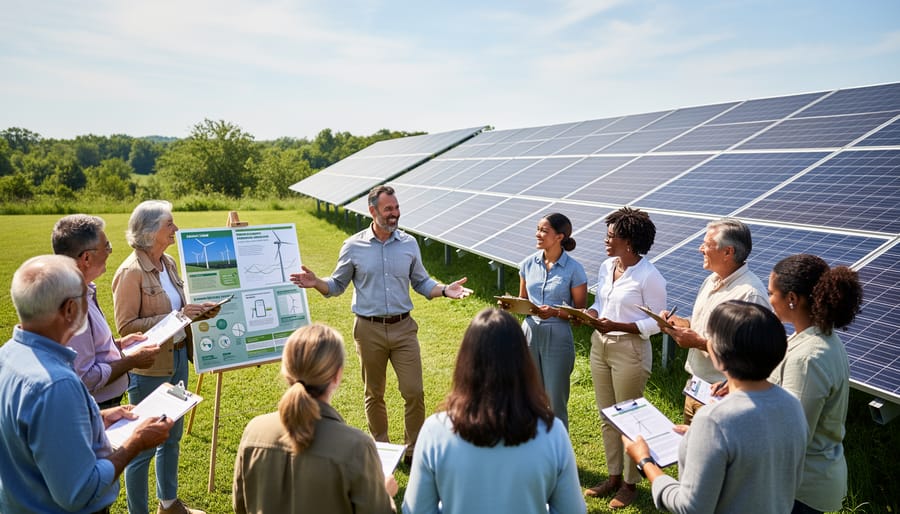
What You’ll Find in Today’s Online Renewable Energy Programs

Certificate vs. Full Certification Programs
When you’re exploring online renewable energy education, understanding the difference between certificate programs and full certification programs helps you choose the path that matches your timeline, budget, and career goals.
Certificate programs are shorter, focused courses that typically last a few weeks to several months. For example, the SET certificate overview shows a program structure built around three courses that gives you foundational knowledge in sustainable energy technologies. These programs work well if you’re testing the waters in renewable energy, need specific skills quickly, or want to add credentials while working full-time in your community. Many tribal members start here because the commitment is manageable alongside family responsibilities and existing jobs.
Full certification programs demand more time and depth, often spanning six months to a year or longer. The SEMAC program description illustrates this approach as a part-time online program that dives deeper into energy management principles. These comprehensive tracks prepare you for professional roles requiring broader expertise, from conducting energy audits to managing tribal solar installations.
Consider your immediate needs. If your community is launching a solar project next year and you need practical knowledge fast, a certificate program gets you contributing quickly. If you’re aiming to lead long-term renewable energy initiatives or transition into a full-time career managing community energy systems, the investment in a full certification program pays off through deeper technical skills and broader industry recognition.
Recognized Accreditation Standards
Accreditation serves as your assurance that a renewable energy program meets rigorous educational standards and will be recognized by employers and industry professionals. When you invest time and resources in certification, you want confidence that your credential will open doors.
The Interstate Renewable Energy Council (IREC) stands as the gold standard for clean energy training accreditation, having evaluated and accredited over 200 programs across North America. IREC accredited training means a program has met specific criteria for curriculum quality, instructor qualifications, and hands-on learning components. For tribal members pursuing careers in solar installation or energy project management, IREC accreditation signals to potential employers that you’ve received comprehensive, industry-aligned training.
Accreditation matters differently depending on your path. If you’re planning to work on solar installations, employers often require or strongly prefer IREC-accredited credentials. These programs ensure you understand safety protocols, electrical systems, and installation best practices that protect both workers and community members.
Beyond training program accreditation, you’ll also encounter product and energy certifications. Green-e certification for RECs verifies renewable electricity sources, which becomes relevant if you’re managing community energy procurement or developing tribal renewable energy projects.
When evaluating online programs, check whether they hold current accreditation from recognized bodies. This verification step protects your investment and ensures your certification will be valued when you’re ready to bring clean energy expertise back to your community.
Key Organizations Leading Online Renewable Energy Education
Several organizations stand out in 2026 for delivering quality online renewable energy education that serves both individual career goals and broader community needs. These providers have built programs that translate particularly well to tribal contexts, where accessible training can spark community-wide energy transformation.
The Interstate Renewable Energy Council (IREC) has accredited over 200 clean energy training programs, setting the quality standard that helps tribal members identify credible education providers. This extensive accreditation network means communities can trust the training their members receive will meet industry standards and translate into real job readiness.
CIET, a training institute focused specifically on energy transition and decarbonization, designs courses and certification programs that help individuals and organizations develop practical skills for the energy transition. Their emphasis on systems-level thinking aligns naturally with tribal approaches to energy planning, where renewable projects must serve entire communities rather than individual households. The skills learned through CIET programs apply directly to planning tribal microgrids and community-scale solar installations.
For those seeking flexible learning paths, BCIT’s Sustainable Energy Management Advanced Certificate (SEMAC) offers a part-time online format that respects the reality of balancing work, family, and community responsibilities. This program structure recognizes that tribal members often juggle multiple roles while pursuing education.
Dalhousie University’s Certificate in Sustainable Energy Technologies (SET) provides an accessible entry point through its three-course structure. This compact format lets learners test the field without committing to lengthy programs, making it ideal for tribal members exploring whether renewable energy careers align with their goals.
The Association of Energy Engineers offers practical training through programs like the Basics of Renewable Energy Online Training Program, with a July 2026 session providing timely access to fundamental knowledge. These shorter courses complement longer certifications by building specific technical skills.
These organizations share a common strength: they deliver education that travels to learners rather than requiring learners to travel. For geographically dispersed tribal communities, this accessibility removes barriers that have historically limited educational opportunities, creating pathways to careers that strengthen both individuals and their nations.
How Electron Freedom and GRID Alternatives Support Your Certification Journey
Online certification programs become far more powerful when connected to real-world opportunities, and that’s exactly what Electron Freedom and GRID Alternatives offer tribal community members. While you complete coursework in solar design, installation techniques, or energy system management, our partnership creates a bridge from your screen to actual solar projects transforming tribal communities across North America.
Electron Freedom’s core mission centers on bringing renewable energy education and implementation directly to tribal lands. We recognize that certification alone isn’t enough, you need pathways to apply your knowledge, build hands-on experience, and create lasting change in your community. Through our collaboration with GRID Alternatives, certified tribal members gain access to supervised installation opportunities, mentorship from experienced solar professionals, and connections to ongoing community energy projects that need your emerging skills.
The partnership addresses one of the biggest gaps in renewable energy education: the jump from theory to practice. GRID Alternatives brings decades of experience installing solar systems in underserved communities, while Electron Freedom focuses specifically on tribal sovereignty and self-determination through energy independence. Together, we’ve created a pathway where your online certification becomes the foundation for participating in real installations on tribal lands, often in your own community or nearby nations.
Financial barriers often prevent talented individuals from pursuing certification, which is why funding support forms a crucial part of our mission. Wells Fargo’s financial commitment to Electron Freedom specifically funds both the training component and the implementation of solar projects in tribal communities. This means grant funding can help cover certification program costs for qualifying tribal members, then support the actual solar installations where you’ll apply your new expertise. The funding model recognizes that education and implementation go hand in hand.
Beyond direct financial support, we help tribal members navigate other funding sources. Many certification programs qualify for tribal education grants, workforce development funds, and renewable energy training scholarships. We work with applicants to identify funding combinations that make certification accessible regardless of current financial circumstances. Some tribal nations have designated clean energy workforce development budgets that can cover program costs when aligned with community energy planning goals.
This integrated approach transforms how online certification works for tribal communities. You’re not learning in isolation, you’re preparing to contribute immediately to projects that matter, building relationships with organizations committed to tribal empowerment, and developing skills your community needs right now. The certification becomes your entry point to a larger movement toward energy sovereignty and economic opportunity on tribal lands.
Real Stories: Tribal Members Building Careers Through Online Certification
When Marcus began the online Certificate in Sustainable Energy Technologies in late 2025, he was working nights at the tribal community center and caring for his grandmother during the day. The three-course program fit his schedule in ways traditional education never could. By spring 2026, he’d earned his certificate and was hired to help coordinate his tribe’s first major solar installation, a project that brought reliable power to 40 elder homes that had struggled with aging electrical systems for years.
Sarah’s journey started differently. She’d been teaching environmental science at the tribal school when she discovered IREC-accredited training programs through Electron Freedom’s educational resources. The online format let her complete coursework between classes and family commitments. Now she’s developing curriculum that connects renewable energy concepts to traditional ecological knowledge, teaching the next generation while serving as the tribe’s renewable energy coordinator. Her first major accomplishment was overseeing the Yurok solar project planning phase, working directly with GRID Alternatives technicians to ensure the installation honored both technical requirements and cultural considerations.
These aren’t isolated stories. Across tribal communities, certification programs are creating tangible pathways from online learning to community transformation. James completed his sustainable energy management certificate while still working full-time in tribal operations. Six months later, he was managing energy audits for tribal buildings and identifying efficiency improvements that saved thousands in annual costs, savings redirected to other community programs.
What makes these journeys powerful isn’t just individual career advancement. Each certified tribal member becomes a knowledge hub for their entire community. They translate complex technical concepts for tribal councils, mentor younger community members interested in renewable careers, and ensure that solar projects align with tribal values and long-term sovereignty goals. The certification is the beginning; the community impact extends far beyond any single installation.
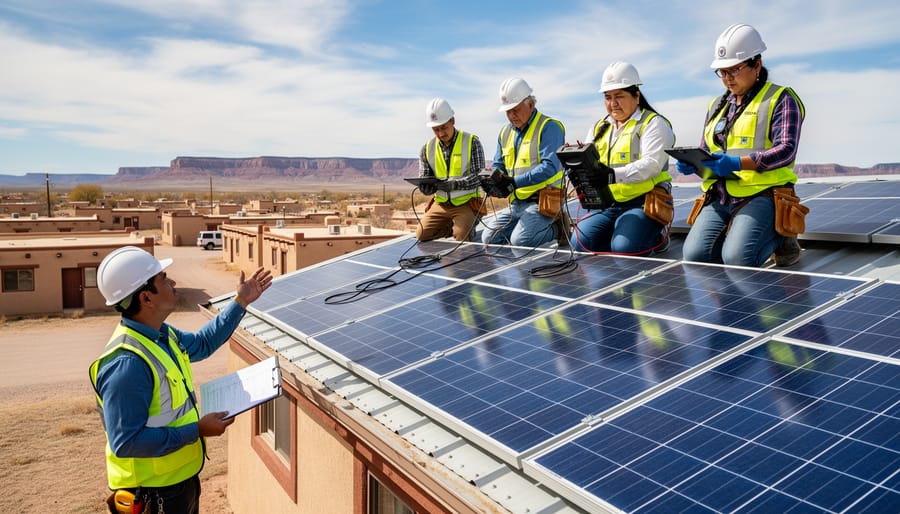
Choosing the Right Online Program for Your Goals and Community
Selecting an online renewable energy certification program is a personal decision that should reflect both your career aspirations and your community’s energy vision. The right program creates a bridge between your current skills and the role you want to play in your tribe’s renewable energy future, whether that means installing solar panels, managing energy projects, or advocating for clean energy policy.
Start by honestly assessing your available time. Part-time programs like BCIT’s Sustainable Energy Management Advanced Certificate accommodate working professionals, while intensive options condense learning into shorter periods. If you’re balancing family responsibilities, ceremony participation, or existing employment, flexibility matters more than speed. The three-course Certificate in Sustainable Energy Technologies offers a manageable entry point that builds knowledge incrementally without overwhelming your schedule.
Technical prerequisites vary widely. Some programs assume basic electrical knowledge while others start from the ground up. The Basics of Renewable Energy training launching in July 2026 welcomes beginners, making it ideal if you’re transitioning from a different field. Don’t let gaps in technical background deter you; many tribal members have successfully moved from traditional trades, education, or administrative roles into renewable energy through foundational programs.
Consider these factors systematically as you evaluate options:
- Review the curriculum against your community’s specific energy needs. Does the program cover solar, wind, or storage systems your tribe plans to implement?
- Calculate total costs including tuition, materials, and any travel for hands-on components, then explore funding through Electron Freedom grants and tribal education departments.
- Verify accreditation through recognized bodies like IREC, which has vetted over 200 clean energy training programs, ensuring your credential holds weight with employers and project funders.
- Check whether the program connects to real-world opportunities, particularly partnerships with organizations like GRID Alternatives that value certified tribal professionals.
- Ask current or former students, especially other tribal members, about their experience with cultural responsiveness and instructor accessibility.
Cultural fit deserves careful thought. Programs that recognize indigenous knowledge systems and understand tribal sovereignty create more meaningful learning experiences than those treating renewable energy as purely technical. Look for language acknowledging traditional environmental stewardship, case studies featuring tribal projects, or instructors familiar with reservation contexts.
Finally, think beyond your individual credential. How will this certification serve your community? A program emphasizing project management prepares you to coordinate tribal solar installations. One focused on policy equips you to navigate utility regulations and negotiate power purchase agreements. The strongest choice aligns your learning journey with your tribe’s long-term energy independence goals, positioning you as a bridge between outside expertise and community-rooted solutions.
Financial Support and Funding Options for Certification Programs
Accessing quality education shouldn’t depend on your bank account. Tribal members exploring renewable energy certification have multiple funding pathways designed specifically to remove financial barriers and support community empowerment goals.
Electron Freedom offers direct grant support for tribal community members pursuing renewable energy education. Through our partnership with GRID Alternatives and Wells Fargo’s financial commitment, we’ve created funding streams that cover not just certification costs but also equipment, travel when needed, and follow-up support as you teach solar skills in your own community. Contact our team to discuss how your educational goals align with available grants.
Tribal education departments frequently maintain dedicated workforce development funds. Many tribes prioritize renewable energy training because it directly supports sovereignty and economic self-determination. Check with your tribal education office about existing scholarships or ask them to consider renewable energy certification as a priority area. Some tribes will cover full tuition for members pursuing credentials that benefit the community.
Federal and regional programs offer renewable energy scholarships too. The Department of Energy periodically funds clean energy workforce initiatives targeting underserved communities, including tribal areas. Regional workforce development boards sometimes cover certification costs for in-demand careers, and solar installation skills definitely qualify.
Don’t overlook employer sponsorship. If you’re already working in construction, facilities management, or utility sectors, ask whether your employer will fund professional development. Many organizations recognize that renewable energy expertise benefits their operations and will invest in employee training.
Program costs vary widely. Short certificate programs might run $500 to $2,000, while comprehensive certifications can reach $5,000 or more. Start by exploring what funding exists, then choose a program that matches both your learning goals and available support. The investment pays forward when you bring clean energy expertise back to your community.
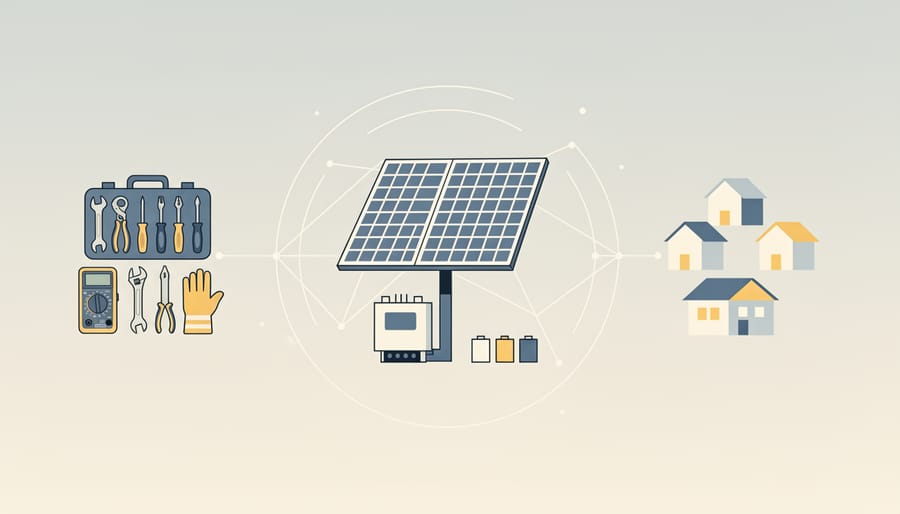
From Online Learning to Community Impact: Building Career Pathways
Completing your certification is just the beginning. The real transformation happens when you bring that knowledge home and apply it to real challenges in your community. Certified professionals are opening doors to meaningful careers while becoming change-makers who inspire broader adoption of clean energy solutions.
Solar installation represents the most direct career path. Certified installers work alongside organizations like GRID Alternatives on tribal community projects, gaining hands-on experience while earning competitive wages. Many certified tribal members start as installation technicians and advance to crew leaders or site supervisors within a few years. This hands-on work connects directly to renewable job growth that’s reshaping energy sector employment nationwide.
Energy project management offers another compelling pathway. Certified professionals coordinate solar installations from planning through completion, managing timelines, budgets, and teams. They serve as liaisons between tribal councils, funding partners, and technical crews. This role requires both technical knowledge and strong communication skills, positioning certified tribal members as essential bridges between communities and the broader renewable energy industry.
Community energy planning specialists assess local energy needs, identify optimal solar sites, and develop long-term strategies for energy independence. These positions blend technical expertise with deep understanding of tribal priorities and values. Certified planners help communities make informed decisions about energy investments that align with sovereignty goals.
Perhaps most importantly, each certified professional becomes a mentor and advocate. When community members see neighbors building successful careers in renewable energy, they recognize possibilities for themselves and their children. One certified installer can inspire a dozen others to pursue training, creating a multiplying effect that strengthens community capacity and accelerates the transition to clean energy across entire regions.
The path to renewable energy expertise no longer requires leaving your community or sacrificing family responsibilities. Online certification programs have removed barriers that once kept tribal members from accessing quality education in solar and renewable technologies. These flexible, accessible learning opportunities are doing more than building individual careers, they’re strengthening entire communities by creating local experts who understand both the technical requirements and cultural context of tribal energy projects.
Electron Freedom stands beside you throughout this journey. Our partnership with GRID Alternatives connects online learning with real-world implementation, turning certification into community transformation. When you complete your training, you’re not just holding a credential, you’re joining a network of tribal members who are bringing energy independence, resilience, and economic opportunity back to their communities. The combination of accessible education and hands-on project support creates pathways where none existed before.
Your community’s renewable energy future starts with a decision to learn. Explore the certification programs that align with your goals and schedule. Connect with Electron Freedom to discover funding options, support resources, and how your new skills can translate into meaningful projects in your tribal community. Whether you’re taking your first course or completing an advanced certification, you’re part of a movement that honors traditional values of sustainability while building modern energy solutions. The tools, support, and opportunity are here. Your journey begins now.