Your home’s biggest energy drains aren’t always the ones you notice. Water heaters, refrigerators, and clothes dryers quietly consume up to 60% of a typical household’s electricity, working around the clock without the obvious hum of an air conditioner or the glow of overhead lights. These silent consumers add hundreds of dollars to annual energy bills, yet many families in tribal communities and beyond overlook them when trying to reduce costs. Regular maintenance from Dryer Vent Clean Experts can help improve efficiency, but understanding which appliances silently drain power gives you the most control over your energy future.
For tribal households working with GRID Alternatives to transition to solar, identifying these hidden consumers becomes the foundation for properly sizing renewable energy systems. A standard electric water heater alone can use 4,500 kilowatt-hours yearly, more than many realize when budgeting for energy independence.
The challenge is visibility. Unlike a television you turn off or lights you switch, these appliances operate behind closed doors and inside walls. Your dryer runs its cycle while you fold clothes elsewhere. Your refrigerator’s compressor kicks on at 3 AM. Even with proper maintenance, the baseline consumption remains substantial.
This guide reveals the top household appliances consuming electricity without fanfare, backed by consumption data and practical steps to reduce their impact through both conservation and solar solutions tailored for tribal communities.
How We Identified the Biggest Silent Energy Users
To pinpoint which appliances truly inflate your energy bills without obvious signs, we examined four key factors drawn from community energy audits conducted in tribal households across the Southwest and Pacific Northwest regions.
Our selection criteria included:
- Always-on operation patterns that run continuously or cycle frequently throughout the day and night
- Standby power draw that persists even when the appliance appears idle or turned off
- Frequency in households, focusing on common appliances found in 70 percent or more of tribal homes
- Measurable impact on monthly bills, prioritizing devices consuming 400 kWh or more annually
These benchmarks emerged from analyzing actual consumption data collected through home energy monitoring systems installed by GRID Alternatives in partnership with tribal utility programs. The data revealed patterns that residents rarely notice: appliances humming away in basements, maintaining temperatures overnight, or drawing phantom loads from wall outlets.
Understanding these consumption patterns is critical for solar energy planning in tribal communities. When designing a photovoltaic system, knowing that your water heater alone accounts for 30 percent of household electricity use or that HVAC cycles dominate summer consumption helps size arrays correctly and prioritize which loads to offset first. This approach ensures solar investments deliver maximum bill reduction and energy independence for families working toward resilience.
1. Central Air Conditioning and Heat Pumps: The Silent Energy Giant
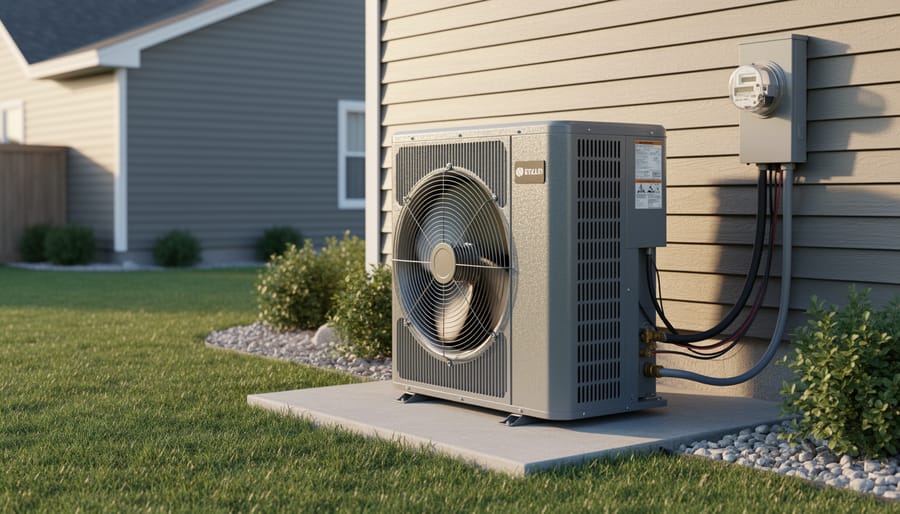
Your home’s HVAC system operates like a silent guardian, cycling on and off throughout the day and night to maintain comfortable temperatures, yet this constant background work makes it the single largest electricity consumer in most households. Central air conditioners and heat pumps typically consume between 3,000 and 5,000 kilowatt-hours annually, accounting for nearly half of an average home’s energy bill.
What makes these systems particularly sneaky is their operational pattern. Unlike appliances you actively turn on and use, your HVAC runs automatically whenever the thermostat detects a temperature shift. In desert climates common across Southwestern tribal lands, air conditioners might cycle every 15-20 minutes during summer months. In Northern communities, heat pumps work overtime during winter, drawing even more power as outdoor temperatures drop.
The energy impact varies dramatically based on your climate zone. Tribal homes in Arizona or New Mexico face peak summer loads that can push consumption toward the higher end of that range, while communities in Montana or North Dakota see winter heating costs dominate their bills. Older systems or poorly insulated homes amplify the problem, some tribal housing built decades ago lacks adequate insulation, forcing HVAC systems to work harder and run longer to achieve the same comfort.
Solar energy offers a powerful offset strategy for these silent giants. A properly sized photovoltaic system can generate electricity during peak cooling hours when air conditioners draw maximum power. GRID Alternatives has installed solar arrays across tribal communities that specifically target HVAC loads, helping families reduce summer electricity costs by 40-60% while maintaining thermal comfort. The combination of energy efficiency upgrades and solar generation creates lasting relief from these persistent energy drains.
2. Water Heaters: Always Working, Rarely Noticed
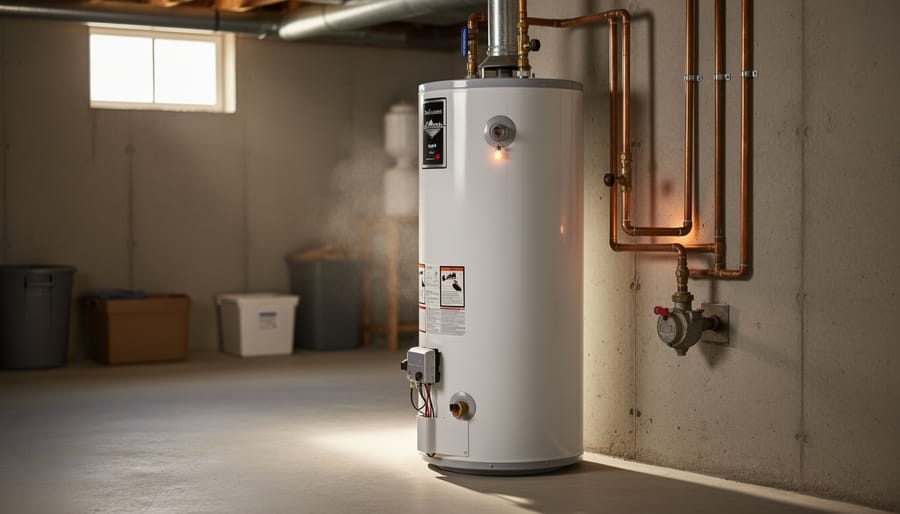
Conventional tank water heaters operate around the clock, quietly maintaining a reservoir of hot water whether you’re using it or not. This constant heating cycle, called standby heat loss, makes water heaters one of the largest electricity consumers in most homes, typically using between 4,000 and 5,500 kilowatt-hours annually.
The heater’s thermostat triggers the heating element multiple times throughout each day and night to keep water at the set temperature, usually 120-140 degrees Fahrenheit. Every time someone uses hot water, cold water enters the tank to replace it, requiring another heating cycle. But even without any water usage, the tank loses heat through its walls, forcing the system to reheat the same water repeatedly.
In tribal communities across varying climates, this consumption pattern creates a consistent baseline load on the electrical system. A 50-gallon electric water heater draws about 4,500 watts when actively heating. Multiply those heating cycles across an entire year, and you’re looking at roughly $450 to $600 in annual electricity costs at typical rates.
GRID Alternatives has partnered with several tribal communities to install solar water heating systems that dramatically reduce this silent drain. These systems use rooftop collectors to preheat water before it reaches the electric tank, cutting electrical consumption by 50 to 80 percent. In some installations, solar thermal panels eliminate the need for electric heating during sunny months entirely.
For communities working toward energy sovereignty, addressing water heating represents one of the most effective steps. The combination of energy-efficient heat pump water heaters and solar thermal systems creates resilience while lowering monthly bills, freeing resources for other community priorities.
3. Refrigerators and Freezers: The Constant Consumers
Your refrigerator hums along 24 hours a day, 365 days a year, making it one of the most persistent electricity consumers in your home. Unlike appliances you actively turn on and off, refrigerators and freezers work continuously to maintain safe food storage temperatures, cycling their compressors on and off throughout the day and night.
A modern Energy Star refrigerator typically uses 400-600 kilowatt-hours annually. However, older models, particularly those manufactured before 2000, can consume 1,000 to 2,000 kWh yearly, essentially doubling or tripling your refrigeration costs. The age difference matters significantly: a refrigerator from the 1990s uses about four times more electricity than today’s efficient models.
The compressor is the energy-hungry component. It runs in cycles to remove heat from the interior, and older units run longer, less efficient cycles. Frost buildup, worn door seals, and dusty condenser coils force the compressor to work even harder. In many tribal homes, families inherit or receive donated appliances that continue running for decades, quietly draining hundreds of dollars in electricity each year.
GRID Alternatives recognizes that replacing major appliances represents a significant financial barrier for many tribal families. Through their Tribal Program partnerships, they connect communities with energy efficiency rebates and appliance upgrade programs specifically designed for low-income households. These programs often cover most or all replacement costs for qualifying families, swapping out energy-draining refrigerators for modern efficient models.
The energy savings from upgrading a 20-year-old refrigerator can offset 1,000-1,500 kWh annually. Combined with a solar installation, these upgrades help tribal communities achieve true energy independence, reducing both grid dependence and monthly utility burdens while ensuring families have reliable, efficient appliances that support food security and health.
4. Always-On Entertainment Systems: The Standby Power Drain
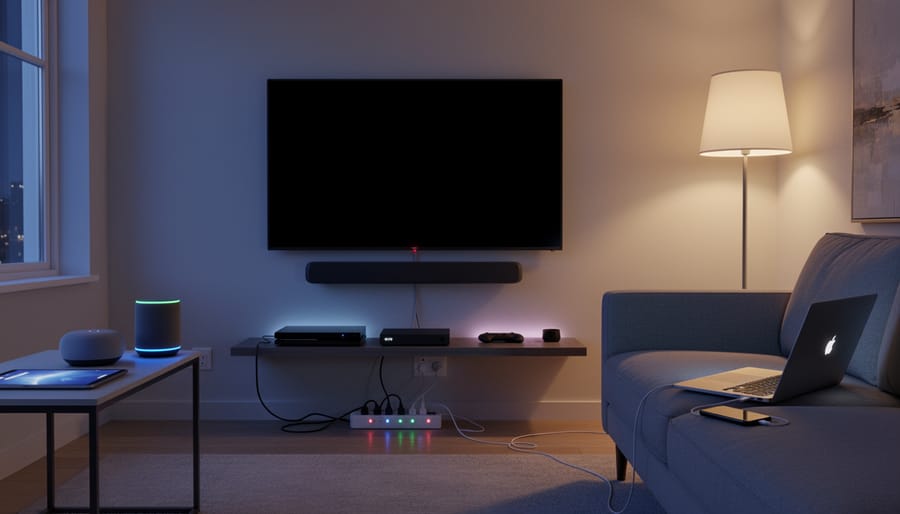
Your entertainment center never truly sleeps. That cable box, smart TV, gaming console, and sound system all remain partially active when you press the power button, quietly pulling electricity to maintain network connections, receive updates, and respond instantly when you’re ready to watch or play.
This standby power drain adds up fast. A typical household entertainment setup consumes 200 to 400 kWh annually just sitting in “off” mode. Your cable or satellite box alone can draw 20 to 50 watts continuously, that’s roughly $50 to $120 per year for a device you’re not actively using most of the time. Gaming consoles left in instant-on mode consume similar amounts, maintaining downloads and system readiness around the clock.
Smart TVs contribute their own phantom load, staying connected to Wi-Fi and checking for streaming updates even when the screen is dark. Older plasma TVs are particularly wasteful, but even newer LED models draw 5 to 15 watts in standby.
The solution is straightforward: plug your entertainment devices into a power strip and switch it off when you’re done. This cuts standby power completely without affecting your settings. For tribal communities working toward energy independence, these small changes complement solar installations by reducing overall consumption. Many households discover that eliminating phantom loads across all devices can save 5 to 10 percent on monthly bills, savings that stretch further when you’re powering your home with solar energy.
5. Electric Dryers: Quick Cycles, High Consumption
Electric dryers rank among the most power-hungry appliances in your home, consuming between 600 and 1,200 kilowatt-hours annually depending on usage patterns and model efficiency. What makes them particularly deceptive is their short run time, most cycles complete in under an hour, yet they draw massive amounts of electricity during operation, typically 3,000 to 5,000 watts per load.
The culprit is the resistive heating element that must generate intense heat quickly to evaporate moisture from clothing. Unlike appliances that cycle on and off to maintain temperature, dryers run at full power throughout each cycle, converting electricity directly into heat with minimal efficiency. A family running just five loads weekly can easily consume 100 kWh monthly from drying alone.
For tribal communities, this represents both a financial burden and an opportunity to reconnect with sustainable practices. Many tribal households still maintain traditional drying methods, outdoor clotheslines, drying racks, and natural air circulation, that consume zero electricity while preserving fabric quality. These time-honored approaches align perfectly with renewable energy goals and reduce dependence on grid power.
When dryer use is necessary, especially during winter months or humid conditions, consider running full loads during peak solar production hours if you have panels installed. Heat pump dryers, though more expensive initially, use 50 percent less energy than conventional models and pair well with solar systems designed through programs like those offered by GRID Alternatives in partnership with Electron Freedom.
6. Electric Ranges and Ovens: Cooking Up Your Energy Bill
Electric ranges and ovens operate differently than many household appliances, they demand enormous power in short bursts rather than running all day. A typical electric oven draws 2,000-5,000 watts when heating, while stovetop burners pull 1,200-3,000 watts each. Though you might only cook for an hour daily, that concentrated energy use adds up to 500-1,000 kWh annually for most households.
The resistive heating elements in electric ranges convert electricity directly to heat, making them less efficient than gas or induction alternatives. Preheating an oven to 350°F consumes roughly the same energy as running a window air conditioner for an hour, yet this drain happens quietly in the background of daily meal preparation.
Many tribal communities maintain shared cooking spaces and community centers where multiple electric ranges operate simultaneously during gatherings and events. These collective cooking sessions can create significant demand spikes. The Yurok solar example shows how properly sized solar arrays can power community facilities, including kitchens, while honoring traditional gathering practices.
Induction cooktops offer a modern alternative, using 30-40% less energy than traditional electric ranges through magnetic heating that transfers energy directly to cookware. For tribal homes transitioning to solar, replacing old electric ranges with efficient induction models reduces the system size needed, lowering upfront installation costs while preserving the capacity for traditional cooking methods that remain central to cultural practice.
7. Pool Pumps and Well Pumps: Rural and Remote Energy Challenges

In rural and remote tribal communities, water systems operate as invisible energy consumers. Pool pumps maintain water circulation and filtration through continuous operation, while well pumps deliver essential water from underground sources to homes and community facilities. These systems typically run 6-12 hours daily, consuming 2,000-3,000 kWh annually, equivalent to the energy use of a small home’s lighting and appliances combined.
The challenge intensifies in off-grid and remote tribal areas where reliable electricity access remains limited. Well pumps serve as lifelines, yet their constant operation strains existing power infrastructure. Pool pumps at community centers and recreational facilities face similar demands. Both run with minimal noise, making their substantial energy draw easy to overlook until utility bills arrive.
Solar solutions address these challenges directly. GRID Alternatives has deployed solar-powered well pump systems in several tribal communities, eliminating ongoing electricity costs while ensuring reliable water access. These installations pair solar panel efficiency with properly sized pump controllers to match daily water needs. For existing systems, retrofitting with solar arrays creates energy independence. A solar battery maintainer keeps backup power systems ready during maintenance periods or extended cloudy weather.
These water system conversions deliver immediate benefits: reduced operating costs, protection from power outages, and sustainable infrastructure that serves communities for decades. The quiet transformation from grid-dependent to solar-powered water systems strengthens tribal self-determination and energy sovereignty.
Taking Control: Solar Solutions for Silent Energy Drains
Understanding which appliances quietly drain your energy budget is the first step. The next step is taking control through solar solutions that build long-term energy independence for your community.
Electron Freedom partners with GRID Alternatives to help tribal communities access solar grants and funding that transform these hidden energy costs into opportunities for self-sufficiency. Instead of watching your budget disappear into appliances running in the background, solar panels generate clean power during peak consumption hours, directly offsetting the electricity your HVAC system, water heater, and refrigerator consume.
The benefits extend beyond individual bill savings. Solar installations in tribal communities create local jobs, training programs for renewable energy technicians, and infrastructure that strengthens community resilience during grid outages. When the Torres Martinez Desert Cahuilla Indians installed a 1.5 MW community solar array through GRID Alternatives, they reduced electricity costs across 400 tribal member homes while creating eight permanent maintenance positions and training opportunities for 30 community members.
GRID Alternatives has completed over 150 tribal solar projects nationwide, proving that renewable energy solutions work in diverse climates and housing situations. Whether your community faces extreme heat driving air conditioning costs, cold winters requiring constant heating, or rural water pumping challenges, solar systems can be sized to match your specific silent energy drains. These installations often include battery storage, ensuring critical appliances keep running even when the grid goes down.
Contact Electron Freedom to explore how your community can leverage federal and tribal energy programs to offset these quiet energy thieves with sustainable solar solutions built by and for your people.
What to Watch For
Pay attention to appliances that run in cycles or maintain constant temperatures, these are your biggest silent drainers. Check for warm surfaces near outlets, listen for quiet humming from refrigerators or HVAC units, and notice devices with glowing indicator lights even when “off.”
Track your actual consumption by requesting a detailed energy audit through your tribal energy office or GRID Alternatives. Many utility companies provide free home energy assessments that identify which circuits draw the most power. Consider installing smart plugs on entertainment centers and standby devices to measure phantom loads, you might discover a single cable box uses more electricity than you’d expect. For tribal community members, Electron Freedom partners can help arrange energy monitoring equipment and interpret results in the context of solar offset planning, turning awareness into actionable savings.
Common Questions About Home Energy Use
How can I measure which appliances are using the most electricity in my home?
A plug-in energy monitor costs $20-40 and shows real-time consumption for individual devices. For whole-home tracking, many tribal energy programs offer free energy audits that identify your biggest users and suggest solutions.
How do I calculate the right solar system size to offset these energy drains?
Start by reviewing 12 months of electric bills to find your average monthly consumption in kilowatt-hours. A typical household using 900 kWh monthly needs a 6-7 kW solar system, though GRID Alternatives can provide customized assessments for tribal homes.
What grants and programs help tribal communities afford solar installations?
The Department of Energy’s Tribal Energy Program offers planning and implementation grants. Many tribes also access the Low Income Home Energy Assistance Program (LIHEAP) and work with GRID Alternatives for no-cost or subsidized solar installations designed specifically for tribal communities.
Can solar panels handle the load from high-consumption appliances like water heaters and HVAC systems?
Yes, properly sized systems can offset these major users. Many tribal installations pair solar with energy storage batteries to ensure reliable power during peak consumption times, creating true energy independence even for the biggest household drains.
Where can tribal members learn more about reducing energy costs?
Contact your tribal energy office or reach out directly to Electron Freedom and GRID Alternatives, both of which offer workshops, energy assessments, and partnership opportunities tailored to tribal community needs and cultural values.
Understanding your home’s energy patterns empowers you to make informed decisions about efficiency upgrades and renewable energy investments. The combination of awareness and access to tribal-focused programs creates pathways to lower bills and greater energy sovereignty for your community.