When wildfire devastates a community, rebuilding offers a profound opportunity to restore not just structures, but sovereignty and self-determination through clean energy. Six proven renewable sources can power recovery: solar photovoltaic systems, wind turbines, micro-hydroelectric generators, geothermal heat pumps, biomass energy from forest restoration work, and battery storage paired with any generation method. Each brings distinct advantages for communities rebuilding after fire, from solar’s rapid deployment to biomass’s ability to turn forest thinning projects into fuel sources that prevent future fires.
Tribal communities across the West face a rebuilding reality that earlier generations never encountered. Fire seasons now stretch longer, burn hotter, and threaten infrastructure that took decades to establish. Yet this challenge has sparked innovation. Communities are choosing renewable systems that provide energy independence, create local jobs, reduce ongoing costs, and align with traditional values of environmental stewardship.
The right mix depends on each community’s specific landscape, resources, and goals. A mountain community with year-round streams might prioritize micro-hydro. Desert nations with intense sun and open land may combine solar arrays with battery backup. Forest communities implementing fuel reduction programs can integrate biomass systems that serve dual purposes.
This guide walks through each renewable source with recovery in mind. You’ll learn what makes each technology practical for post-fire scenarios, which sites suit each option, realistic timelines and support available, and how other tribal communities have successfully implemented these systems. Whether you’re in active recovery planning or preparing for future resilience, understanding your renewable options is the foundation for energy freedom.
Why These Six Energy Sources Matter for Fire Recovery
When wildfires devastate tribal lands, the recovery path presents a unique opportunity to build back stronger and more self-determined. These six renewable energy sources were chosen specifically for their proven ability to restore power quickly, create local economic opportunities, and honor tribal sovereignty during the rebuilding process.
Reliability stands as the first criterion. Communities recovering from fire need energy systems that work when traditional infrastructure fails. Solar, battery storage, and geothermal systems can operate independently of distant power plants and vulnerable transmission lines, providing resilience when it matters most. This grid independence allows tribes to control their own energy destiny rather than depending on utilities that may deprioritize remote areas.
Cultural appropriateness guided each selection. Traditional knowledge about land stewardship, water resources, and forest management aligns naturally with biomass, micro-hydropower, and sustainable wind installations. These technologies can enhance rather than conflict with ancestral practices and sacred site protection, a consideration often overlooked in conventional energy planning.
Job creation potential matters deeply for communities rebuilding their economic foundations. Each of these six sources offers employment opportunities during installation and ongoing maintenance, keeping skills and dollars within tribal communities. Through partnerships like those with GRID Alternatives, workforce development programs can train community members in renewable energy careers that extend far beyond the initial recovery period.
Finally, these technologies support energy sovereignty, the right of tribes to determine their own energy futures without external control. Whether through what to watch in solar safety developments or exploring geothermal options suited to specific land characteristics, tribes maintain decision-making authority over which systems best serve their communities’ unique needs and long-term visions.
1. Solar Photovoltaic Systems: Leading the Rebuilding Charge
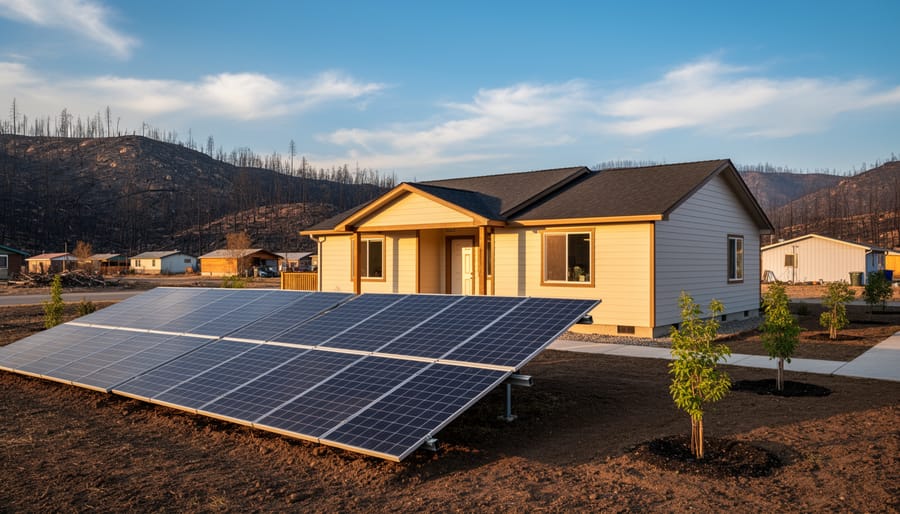
Solar panels bring power back to fire-damaged communities faster than any other renewable technology. When tribal lands lose electricity infrastructure to flames, photovoltaic systems can restore energy within weeks rather than the months required to rebuild conventional grid connections. The technology installs quickly on rooftops, carports, or ground mounts with minimal site preparation, making it ideal when communities need immediate solutions.
The modular nature of solar means projects can start small and grow. A single family can install enough panels to meet their household needs, or a community can deploy a shared array serving multiple buildings through a microgrid arrangement. This scalability matters enormously during recovery when resources arrive in stages and priorities shift as rebuilding progresses. Communities maintain control over their energy timeline rather than waiting for external utilities to restore service.
Solar installations create tangible employment opportunities right where they’re needed most. Local community members can participate in system installation through solar training programs, building skills that serve the immediate recovery effort while creating long-term career pathways. These aren’t temporary jobs that disappear once construction ends, solar maintenance, monitoring, and expansion offer ongoing work for years ahead.
The key advantages for fire recovery include:
- Rapid deployment timeline gets power flowing while other rebuilding continues
- No ongoing fuel costs reduce financial burden on recovering communities
- Minimal maintenance requirements free up limited resources for other priorities
- Workforce development opportunities create local employment and skill building
- Energy independence reduces vulnerability to future grid disruptions
Modern panels have also become more resilient. Understanding PV fire risk updates helps communities select systems designed with improved safety features appropriate for fire-prone regions. When combined with proper installation standards and adequate spacing from combustible materials, solar arrays can withstand significant heat exposure without becoming ignition sources themselves.
The technology pairs naturally with tribal values around land stewardship. Solar harvests energy without depleting resources, creates no pollution during operation, and leaves the land intact for future generations, principles that align with traditional approaches to caring for tribal territories.
2. Battery Energy Storage: Ensuring Power When You Need It
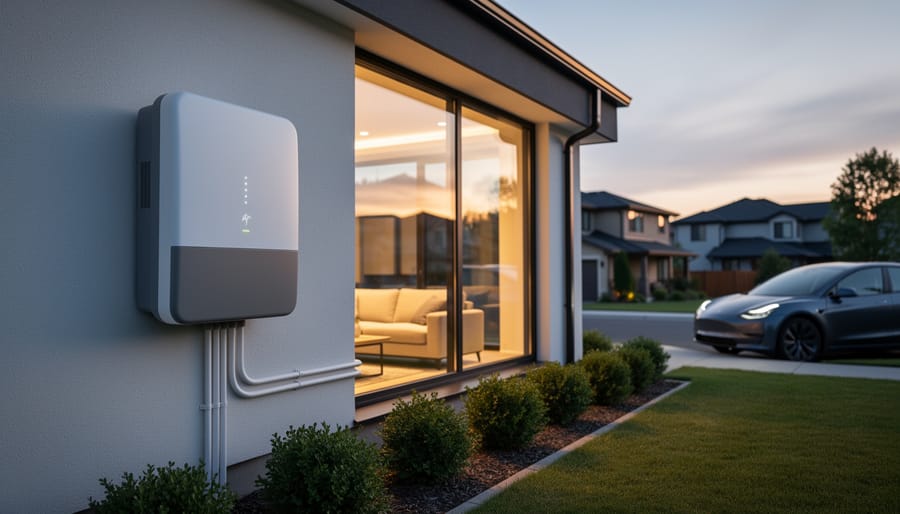
Battery storage transforms solar power from a daytime-only solution into round-the-clock energy security. When wildfires knock out grid connections or force evacuations, communities with battery systems maintain power for refrigeration, communication devices, medical equipment, and water pumps. These systems store excess solar energy generated during peak sunlight hours, then release it after sunset or during emergencies, exactly when tribal communities rebuilding after fires need reliability most.
Modern lithium-ion batteries have dropped significantly in price while improving safety and lifespan, making them practical for both individual households and shared community installations. A home battery typically stores enough energy to run essential appliances through the night and into the next morning, while community-scale systems can power critical facilities like health clinics, elder centers, or emergency coordination buildings for days without grid connection.
For tribal lands in fire-prone regions, battery storage supports energy sovereignty by reducing dependence on vulnerable transmission lines that often fail during fire season. Communities can prioritize which buildings receive backup power based on cultural and practical needs rather than utility company decisions. This self-determination extends to choosing when to draw from batteries versus the grid, potentially avoiding peak electricity rates while keeping stored power ready for emergencies.
Battery systems also smooth out the intermittent nature of renewable generation. When wind dies down or clouds roll in, batteries bridge the gap until conditions improve. For communities installing multiple renewable sources, centralized battery storage acts as the system’s anchor, balancing supply and demand while building the resilience essential for long-term recovery and fire preparedness.
3. Small-Scale Wind Energy: Harnessing Local Resources
Wind energy offers tribal communities a proven complement to solar installations, particularly valuable in regions where afternoon and evening breezes blow most reliably. Small-scale wind turbines, typically ranging from residential units mounted on towers to community-scale installations, can generate power when solar panels produce less, creating a more balanced renewable energy portfolio that strengthens resilience throughout the day and across seasons.
For communities rebuilding after fire, wind energy works especially well in exposed or elevated areas where vegetation loss has temporarily increased wind access. Turbines require minimal ground disturbance, making them suitable for lands healing from fire damage. Modern small wind systems are designed for straightforward maintenance, and installation creates opportunities for local workforce training that builds long-term community capacity.
Hybrid wind-solar systems represent a particularly smart rebuilding strategy. While solar panels generate peak power during midday, wind resources often strengthen during evening hours and winter months when solar production drops. This natural complementarity means communities can maintain more consistent power generation without relying entirely on battery storage, reducing overall system costs and improving energy security.
The key is matching turbine selection to your specific site conditions. Wind assessment, measuring speeds and patterns over time, determines whether small-scale wind makes sense for your community. Areas with average wind speeds above a certain threshold typically see the best performance, but even modest wind resources can contribute meaningfully when paired with solar and battery systems.
Turbine placement respects cultural sites and traditional land uses while maximizing energy production. Many tribal communities integrate wind installations into comprehensive land management plans that honor sovereignty, create local jobs, and build the diversified renewable infrastructure essential for long-term recovery and self-determination.
4. Micro-Hydropower: Clean Energy from Waterways
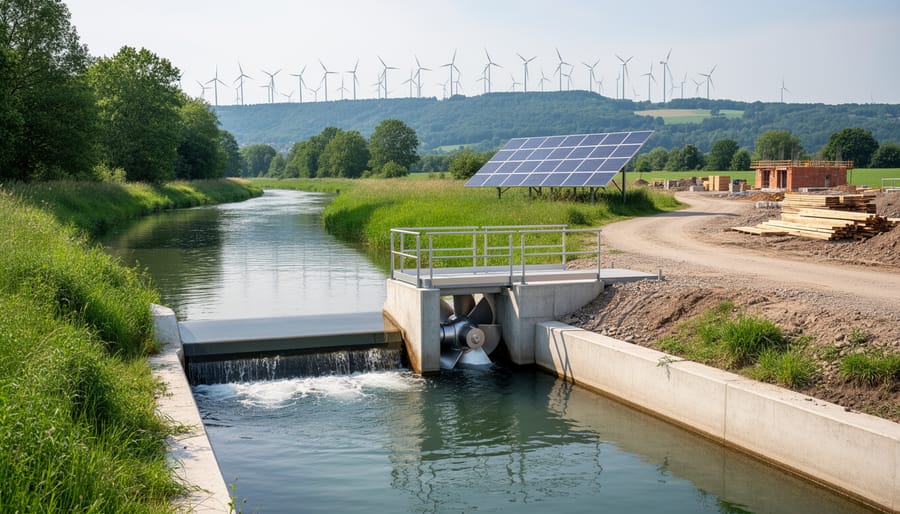
For tribal communities blessed with streams, rivers, or consistent water flows, micro-hydropower offers a renewable energy source deeply connected to traditional relationships with water. These small-scale systems, typically generating under 100 kilowatts, provide steady, reliable electricity without the intermittency of solar or wind, making them valuable partners in a diversified clean energy strategy.
Run-of-river systems work by diverting a portion of flowing water through a turbine before returning it downstream, requiring no dam or reservoir. This approach minimizes environmental disruption while respecting the natural flow patterns that aquatic life and downstream users depend on. The technology suits mountainous or hilly terrain where elevation changes create natural energy potential, and many tribal lands include such geography.
Small impoundment systems involve modest dams that create limited water storage, offering more consistent power generation even during low-flow periods. When designed with tribal values in mind, these installations can incorporate fish passages, maintain water quality, and honor the cultural significance many communities place on waterways as sources of life and spiritual connection.
Unlike solar panels that produce only during daylight or wind turbines that depend on weather patterns, micro-hydro generates power continuously as long as water flows. This baseload reliability makes it especially valuable for critical facilities that need around-the-clock power, community centers, health clinics, or emergency response buildings being rebuilt after fire damage.
The planning process requires careful attention to seasonal water availability, downstream needs, and ecological impact. When approached with traditional ecological knowledge alongside modern engineering, micro-hydropower can serve communities for decades while strengthening rather than compromising relationships with the water that sustains all life.
5. Biomass Energy from Fire-Safe Forest Management
Traditional fire stewardship practices that many tribal communities have maintained for generations are finding new relevance in today’s renewable energy landscape. Forest thinning and brush clearing, activities tribes have long used to reduce fire risk and promote ecosystem health, can now also fuel clean energy systems that power homes and community buildings.
Biomass energy systems convert organic material from fire-safe forest management into usable heat and electricity. When tribal forestry crews thin overgrown stands, remove invasive species, or clear brush from around structures, that material becomes fuel rather than waste. Small-scale biomass gasification units or wood-pellet boilers can process this material locally, creating an energy source that’s available regardless of sun or wind conditions.
This approach creates a closed loop that strengthens community resilience. Fire prevention work reduces the immediate wildfire threat while generating material for energy production. The energy produced powers rebuilt homes and facilities. Jobs stay within the community, from forest management crews to biomass system operators, and the work itself aligns with traditional land stewardship values that prioritize long-term ecosystem balance.
The dual benefit makes biomass particularly valuable in fire recovery scenarios. Communities can address the hazardous fuel loads that accumulate during rebuilding periods while simultaneously establishing local energy independence. Unlike fossil fuels shipped in from elsewhere, biomass systems use resources from tribal lands, managed by tribal members, following principles tribes have practiced long before “renewable energy” became a modern term. This continuity between ancestral wisdom and contemporary technology strengthens both the energy system and community identity during the rebuilding process.
6. Geothermal Systems: Tapping Earth’s Steady Heat
Geothermal energy harnesses the earth’s constant underground temperature to provide heating and cooling with remarkable efficiency. For tribal communities rebuilding after fires, geothermal systems offer a reliable, low-maintenance energy source that reduces long-term operating costs while honoring the connection between land and people.
Ground-source heat pumps work almost anywhere, regardless of geological features. These systems circulate fluid through underground pipes to exchange heat with the earth, which maintains a stable temperature year-round just a few feet below the surface. During winter, the system pulls warmth from the ground to heat buildings. In summer, it reverses the process, transferring indoor heat back into the earth to cool structures. This consistent thermal exchange uses far less electricity than conventional heating and air conditioning systems.
For rebuilt homes and community buildings, ground-source systems provide particular advantages. They require no combustible fuel on site, eliminating fire risk from propane tanks or heating oil. The underground components last decades with minimal maintenance. Installation creates opportunities for local workforce development in specialized trades, and technicians can pursue renewable certifications in geothermal installation and service.
Where geological conditions allow, direct-use geothermal taps naturally occurring hot water or steam for heating buildings, greenhouses, or industrial processes. Some tribal lands sit near thermal resources that make this approach viable, providing baseload heat without burning fuel.
When integrated into rebuilding plans early, geothermal systems reduce energy bills substantially over the system’s lifetime, freeing resources for other community priorities while demonstrating environmental stewardship through clean, earth-connected technology.
Accessing Support for Your Community’s Renewable Energy Future
Rebuilding with renewable energy doesn’t require your community to navigate the process alone. Organizations dedicated to tribal energy sovereignty provide pathways to turn recovery goals into reality through partnerships that respect cultural values and community-led decision-making.
GRID Alternatives partners with tribal nations to design and implement solar projects tailored to each community’s specific recovery needs. Their approach combines technical expertise with workforce training programs that employ tribal members, creating local capacity that extends far beyond a single installation. Electron Freedom works alongside these efforts, connecting communities with resources and advocating for policies that support tribal self-determination in energy choices.
Federal programs through agencies including the Department of Energy and USDA Rural Development offer grant opportunities specifically for renewable energy projects on tribal lands. Many states have also established dedicated funding streams for tribal clean energy initiatives. The application process typically begins with a community energy assessment to identify which renewable sources align best with your land, climate, and recovery priorities.
How does our community start planning a renewable energy project?
Begin by connecting with partner organizations like GRID Alternatives or Electron Freedom, who can conduct a free energy assessment and help identify which renewable sources fit your community’s goals and site conditions.
What types of funding support are available?
Tribal communities can access federal grants, state renewable energy programs, and foundation funding designed specifically for tribal energy projects. Partner organizations assist with grant writing and identifying the best funding combinations for your project.
Who provides technical design and installation expertise?
Organizations like GRID Alternatives bring certified engineers and installers who work directly with tribal members, often providing hands-on training so community members gain skills while the project is built.
How long does installation typically take?
Timelines vary based on project size and complexity, but residential solar installations often complete within days once permits are secured, while community-scale projects may take several months from planning through commissioning.
Technical assistance doesn’t stop at installation. Training programs equip tribal members with certification in solar installation, system maintenance, and energy auditing, skills that serve the community long-term and create career pathways in the growing clean energy sector. Many partnerships include ongoing maintenance support and system monitoring to ensure renewable installations continue delivering reliable power for decades.
The recovery journey becomes an opportunity to build energy systems that strengthen tribal sovereignty, reduce long-term costs, and honor the relationship between communities and the land. Support networks stand ready to walk alongside you, transforming vision into infrastructure that serves generations to come.
The path to recovery after fire begins with a single choice: to rebuild in ways that honor both your community’s heritage and its future. These six renewable energy sources, solar photovoltaic systems, battery storage, small-scale wind, micro-hydropower, biomass from forest management, and geothermal, aren’t just technologies. They’re tools for self-determination that work together to create resilient energy systems under tribal control.
No single source meets every need, but their combination creates strength. Solar and wind generate power when conditions allow. Batteries store it for when you need it most. Hydropower and geothermal provide steady baseload energy. Biomass transforms fire-prevention work into fuel. Together, they reduce dependence on vulnerable grids and outside utilities while creating local jobs and keeping energy dollars in your community.
Your community has weathered fires before and emerged stronger. With partners like GRID Alternatives supporting your journey, the renewable energy future you envision is within reach. The expertise, training, and assistance exist to help you build energy systems that reflect tribal values of sustainability, sovereignty, and stewardship for generations to come.